A Species Above Its Station
Humanity has awarded itself a peculiar position in the universe: subject to nature’s laws, yet entitled to govern almost everything those laws have made. That entitlement runs through economies, institutions and ordinary habits of thought. Yet every expression of human independence depends on a world that keeps sustaining it. Thermodynamics, animist traditions and philosophies of the cosmos invite a different understanding of human significance. What might intelligence become if it no longer needed to place itself above the life that makes it possible?

The appointment
No other species was consulted.
At no identifiable moment, through no single declaration, humanity acquired an extraordinary appointment. The living world became available for its purposes. Forests could be cleared, animals bred to specification, rivers redirected and geological inheritances converted into fuel.
Necessity explains some of this. Every organism must live through the resources and relationships available to it. But necessity alone does not explain the conviction that everything else exists primarily to serve human ends. A creature needs to eat. A civilisation can build a philosophy of entitlement around its appetite.
Anthropocentrism gives that entitlement an intellectual home. It places human interests at the centre of value, allowing other beings to matter chiefly through their usefulness, beauty or significance to people. Even the language of protection can preserve the arrangement. Humanity becomes guardian, steward or custodian of a world over which its authority remains largely assumed. The appointment changes from owner to caretaker. The question of who conferred it receives less attention.
Being capable of transforming another life does not settle the question of what is owed to it. Ecological responsibility reaches beyond better management into the status humanity has assigned itself, and the forms of intelligence that status encourages.
The cost of standing apart
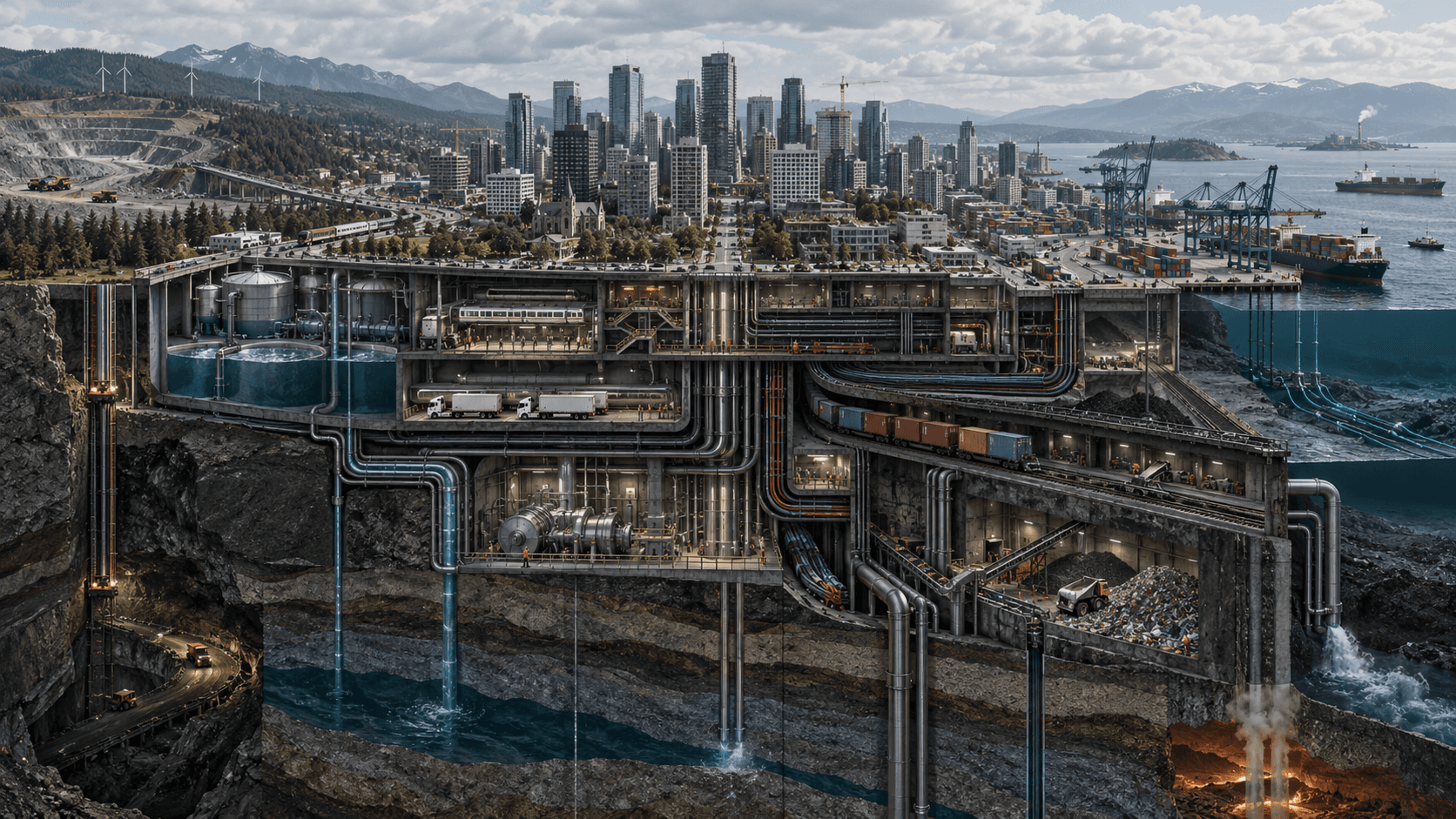
Human independence is expensive to maintain. Food must arrive, water must remain usable, buildings require repair and machines require power. The apparent autonomy of a modern city depends on immense exchanges with places its inhabitants may never see.
A body makes the relationship harder to overlook. Its warmth, movement and capacity to heal depend on what it receives and transforms. Food becomes activity, tissue and heat. The body retains its familiar shape while materials pass through it. What looks like a separate being is also a continuing exchange.
Thermodynamics, the study of energy and its transformations, gives this dependence a physical foundation. Energy survives its transformations, but some of its potential to do useful work is lost through processes such as friction and heat spreading into the surroundings. Entropy production measures this irreversibility. Energy remains, but the same possibilities do not. Sustaining a living body requires a continuing supply of usable energy and the release of heat. Its organisation is inseparable from what happens beyond it.
The American ecologists Eugene and Howard Odum brought energy flows into the study of ecological organisation, with Howard extending this work into the relationships among ecosystems, technology and society.[1] A city, seen this way, belongs to the same energetic world as a forest. Its buildings and institutions do not lift it out of nature. There is no exemption for civilisation.
Even arrangements that begin as ideas participate in this world. An institution requires bodies, communication and work. A financial instruction can mobilise excavators. A cultural aspiration can reorganise a continent’s production. The intangible acquires material force.
Thermodynamics cannot, by itself, explain who bears the costs or why a society accepts them. Those questions also involve power, history and choice. But it exposes the physical exchanges beneath arrangements that can appear abstract or independent. Ecological economics has long examined what those exchanges mean for production, resource use and continued growth.[2,3]
Humanity can redistribute the costs of its existence. It cannot declare itself independent of them. An affluent society may purchase distance from extraction, pollution or exhausted labour. That distance can make dependence less perceptible without making it less real. The dream of standing above nature requires nature to keep supporting the platform.
An inheritance mistaken for instinct
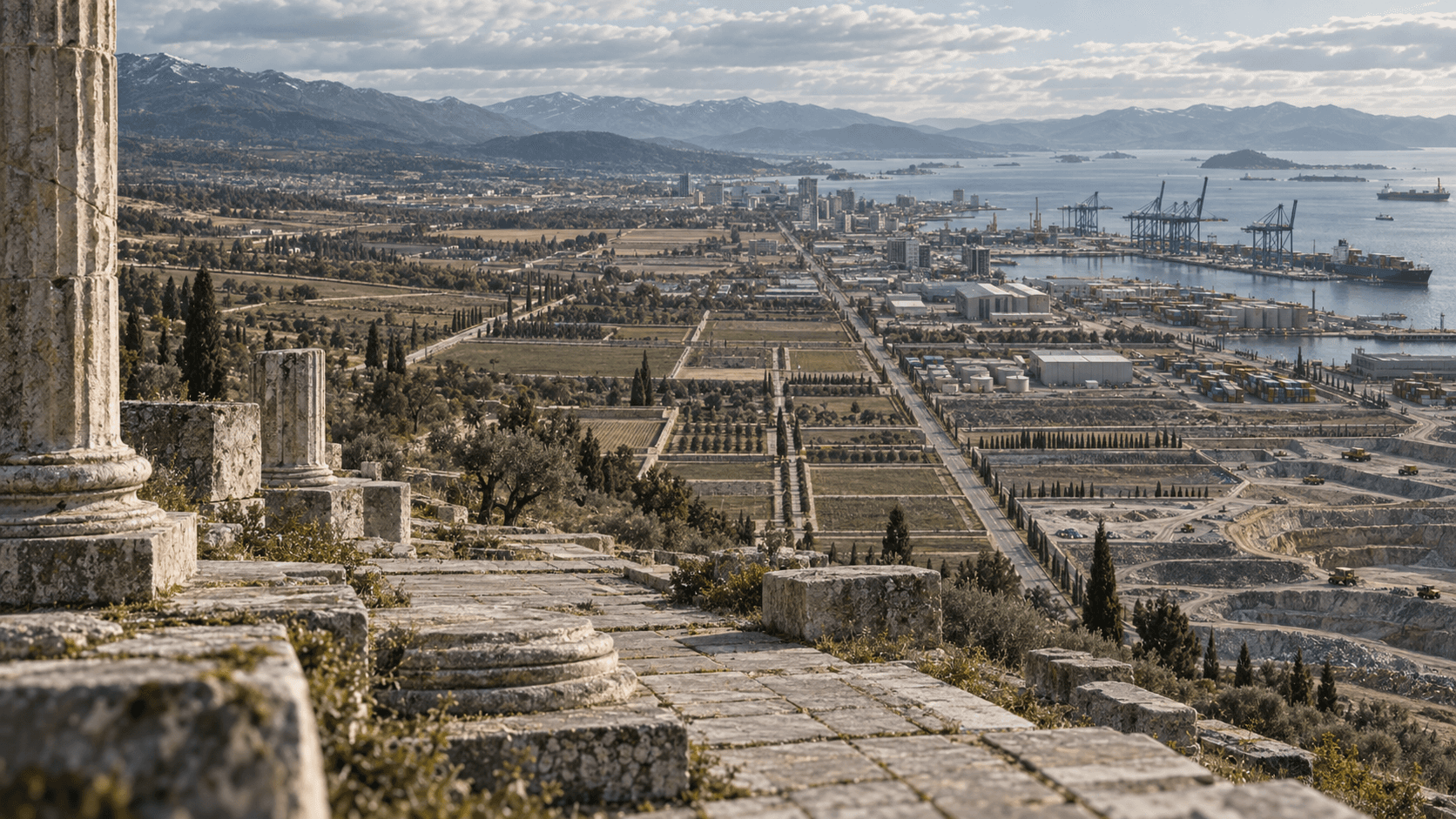
If this position is so precarious, why does it feel so ordinary?
Some of its intellectual ancestry reaches back roughly two and a half millennia, through classical debates about reason, hierarchy and the place of human beings. Subsequent religious, scientific and political traditions transformed those ideas, sometimes challenging them and sometimes giving them greater authority.[1,4]
This was never a single doctrine carried unchanged through history. It became a powerful inheritance assembled through different accounts of human distinction. Reason, soul, language and dominion could each become a qualification for membership in a privileged category. Each could help explain why humanity’s purposes should take precedence.
Particular interpretations of Abrahamic theology placed humans in a special relationship with a creator. Later mechanical philosophies described nature through the workings of matter, making it increasingly available for exploitation and control. The French philosopher and mathematician René Descartes distinguished thinking mind from the physical world it sought to understand.[1] Human thought acquired a different status from the matter around it.
Religious traditions also contain teachings of restraint and responsibility. Western philosophy contains profound challenges to human supremacy. Yet a dominant strand of modern Western thought became joined to institutions capable of making its assumptions consequential across the world. Property, colonial expansion and industrial production gave an account of human privilege extraordinary practical reach.[1,4]
The forest had uses. The animal had functions. The land had potential. Existing forms of life could be displaced by the promise of what human intervention would make of them. The authority to determine improvement travelled with the power to impose it.
Institutions do more than constrain behaviour. They teach people what is normal. An inherited entitlement can eventually feel like an instinct.
Beneath the emergency
Climate disruption, biodiversity loss and resource depletion demand practical responses. Their causes involve infrastructure, political power, economic incentives and consumption. Those arrangements also carry convictions about how the world behaves and what humanity is entitled to ask of it.
A production system can assume that living processes are replaceable inputs. An economic model can treat ecological damage as an acceptable accompaniment to growth. An institution can recognise harm only after it becomes expensive for someone whose objections it is obliged to hear. An understanding of nature is already at work inside these decisions, shaping which activities become desirable, which losses become tolerable and whose concerns acquire force.
A civilisation’s understanding of nature becomes visible in what it permits itself to do. That understanding is a root of the problem. It does not explain every event, but it helps organise the conditions through which damaging patterns persist.
Replacing one technology with another can leave those conditions untouched. A more efficient means of taking does not answer how much should be taken, for whose benefit or with what consequences. Urgency can accelerate inherited habits, while technical sophistication gives them a longer reach.
Some of the machinery is new. The permission it carries is much older.
The presence of others
Other traditions begin with a world already inhabited by presences that demand a response. In many animist understandings, animals, plants and places participate in relationships that exceed their usefulness to humans. Encounters can entail kinship, reciprocity, obligation or danger. The forest is already occupied when a person enters it.
The Nigerian poet and literary scholar Harry Garuba explored how spiritual presence and agency inhabit material life, describing this through animist materialism.[5] A place or object can carry powers and relationships that an account of its physical properties alone does not express. Such understandings continue to shape contemporary life. They have not simply been left behind by modernity.
The question is not whether every reader must accept the same spiritual commitments. It is whether human entitlement remains self evident once other ways of relating are taken seriously. Buddhist accounts of dependent co-arising describe existence through the conditions and relationships that bring it about. Taoist traditions attend to transformations that exceed deliberate human control. Some Hindu traditions locate living beings within a shared sacred reality. These philosophies differ, but each offers ways to question the self sufficient human.[1]
The Japanese naturalist and folklorist Minakata Kumagusu’s defence of shrine forests brought ecological observation into contact with the spiritual and cultural life of particular places.[1] Organisms, memory and belonging could not be neatly separated without losing something of the place itself.
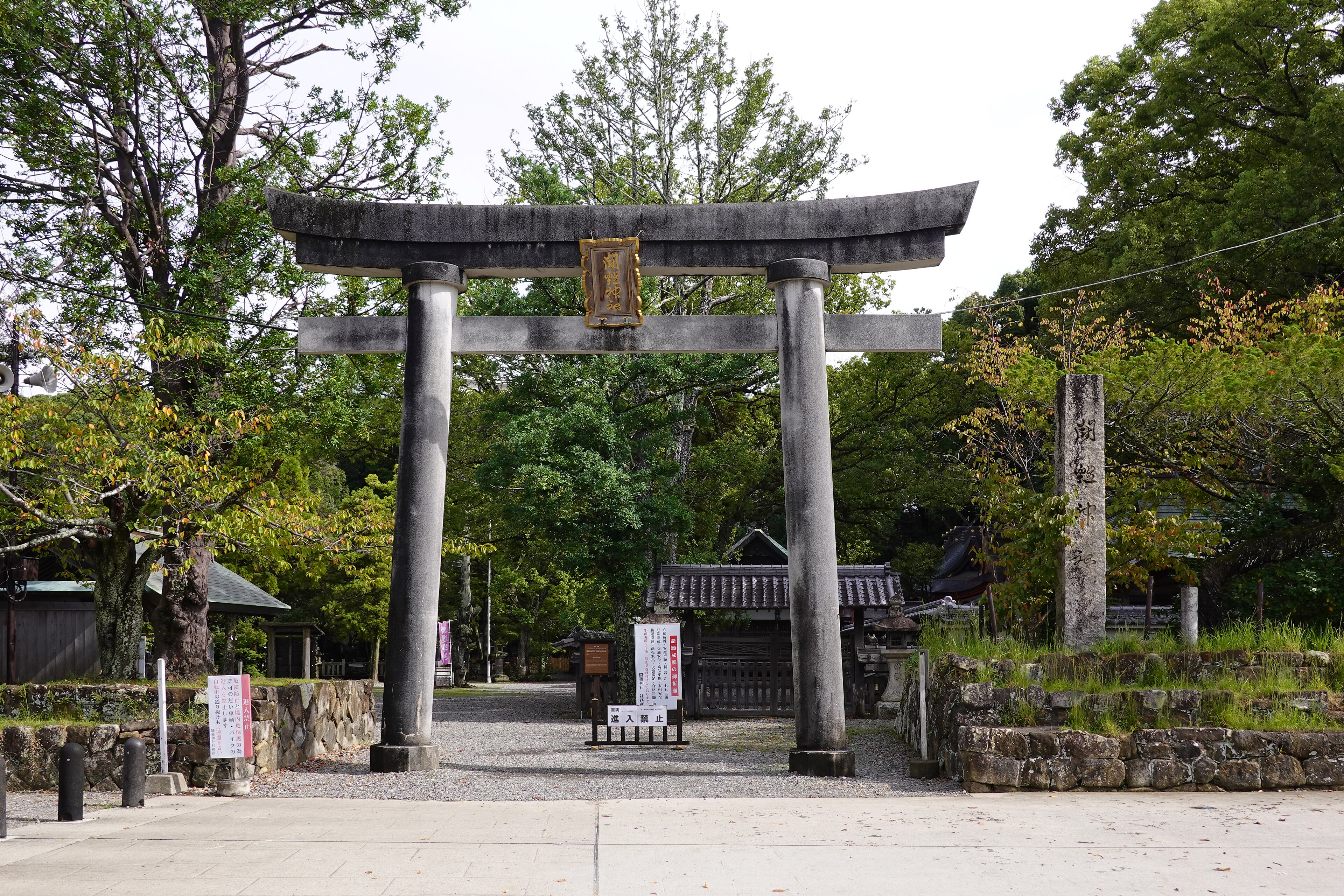
Contemporary discussions of Shinto animism extend this inquiry to technology. The Danish anthropologist Casper Bruun Jensen and sociologist Anders Blok examine technoanimism, exploring relationships that cross familiar divisions among human, animal, spiritual and mechanical beings.[6] A human creation does not automatically become an alien presence in nature. A tool or robot can enter relationships that deserve attention beyond its intended function.
The question becomes how something participates, what it enables and what responsibilities emerge through its presence. The possibility of relationship begins before the judgement of usefulness. None of these traditions guarantees ecological virtue. They make room for forms of significance that usefulness alone cannot contain.
Intelligence without a throne
The sixteenth century Korean philosopher Yi I, known as Yulgok, offers a further change in humanity’s position. In the interpretation examined by education scholar Tamara Savelyeva, human life belongs within an unfolding cosmic order.[7] Developing character and understanding concerns the quality of participation in that order. Intelligence need not establish superiority to have purpose.
The Russian-Ukrainian geochemist Vladimir Vernadsky approached humanity’s significance through a different route. His work on the biosphere examined how life transforms Earth. His account of the noosphere considered organised human thought becoming a planetary force.[8] An idea can become a field, a mine, a city or a change in the atmosphere. Through the activities it directs, thought acquires geological consequences.
Yulgok’s philosophy and Vernadsky’s science should not be treated as interchangeable. The dialogue between them is valuable because their starting points differ.[7] One invites reflection on how to participate well in a larger existence. The other confronts the extraordinary reach of collective intelligence.
Together, they provoke a question of maturity. What would it mean for a species to become more consequential without becoming more convinced of its entitlement? A cosmocentric perspective places human life within the wider existence of the cosmos. Human flourishing remains significant, but its significance does not require everything else to become secondary.
Relinquishing supremacy need not diminish humanity. It may demand more of it.
Who is allowed to matter?
This shift has practical consequences for how decisions are made. The American economist and cognitive scientist Herbert Simon examined how limited information, time and mental capacity shape human judgement. The Maltese physician and thinker Edward de Bono developed approaches to lateral thinking that interrupt familiar routes through a problem.[1] Both help explain why an apparently reasonable decision may deserve another look. A procedure can be rigorous while quietly privileging the interests it was designed to serve.
The French philosopher and sociologist Bruno Latour carried related questions into politics. His proposal for a Parliament of Things asked how nonhuman beings and processes might be represented in decisions that shape their existence.[9] A river cannot submit evidence in the form a committee expects. Its changing chemistry, interrupted migrations and altered seasonal flows nevertheless bear witness to what has happened.
How should that testimony enter a decision? Who interprets it? Who can challenge the interpretation? Representation introduces responsibilities as well as possibilities. Speaking for another life can become another way of speaking over it.
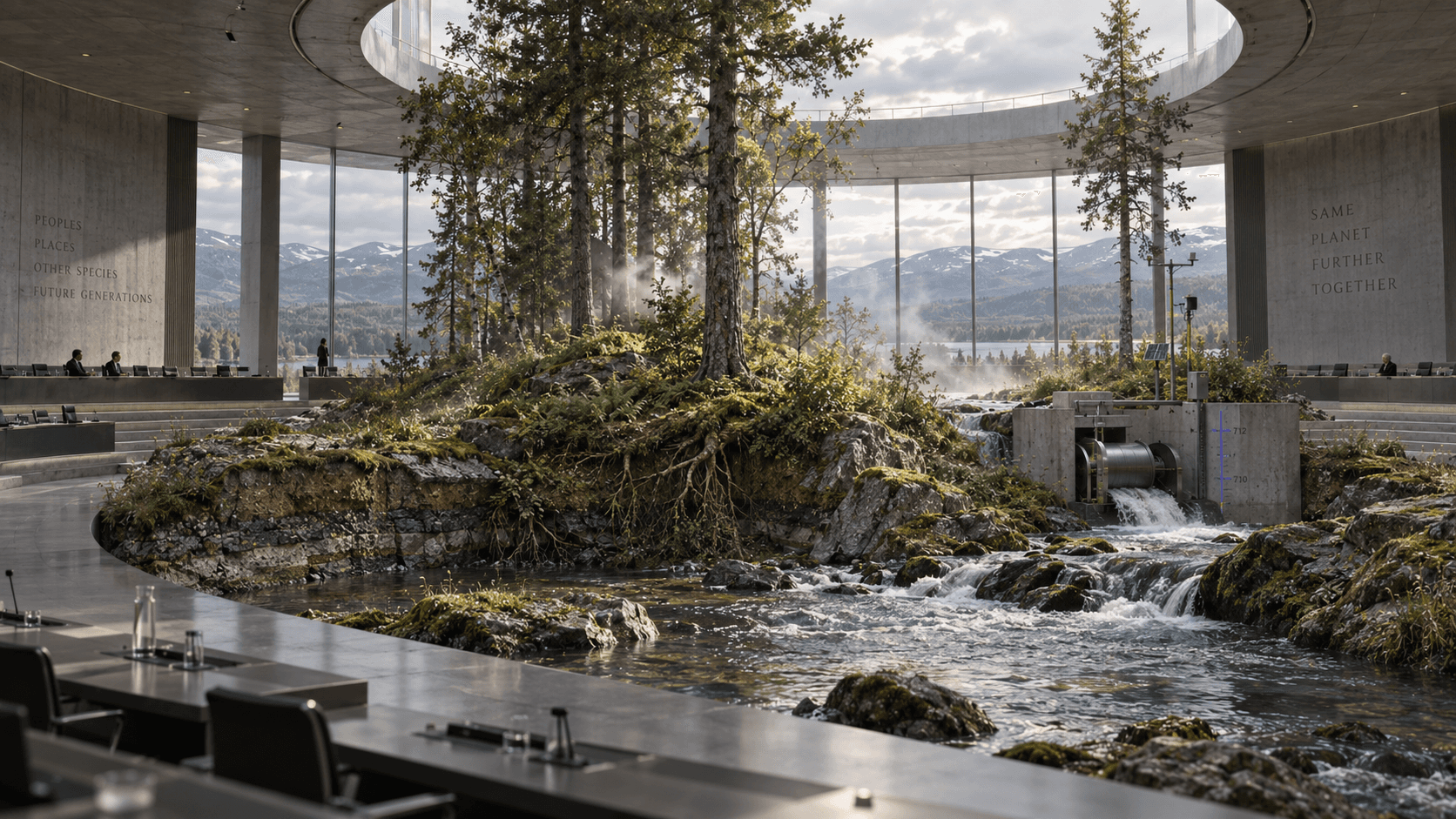
The task includes changing how knowledge is gathered, whose experience is admitted and how decisions remain responsive to consequences after permission has been granted. It also requires respect for the traditions from which alternatives are learned. Philosophies that challenge possession should not themselves become intellectual resources available for effortless extraction. Learning carries obligations too.
A place within
Other species and philosophical traditions offer ways to reconsider how human life belongs within the wider world. That learning asks for attention to how choices affect the conditions in which other lives unfold. Moving towards a cosmocentric perspective means extending concern beyond immediate human advantage, recognising forms of significance that do not depend on being useful to humanity.
This would change more than the language of responsibility. It would change what requires justification. Today, another being’s continued existence is often defended through the service it provides: the forest stores carbon, the wetland prevents flooding, the species may yield a medicine. Those contributions matter. Yet existence becomes precarious when its strongest defence is a sufficiently persuasive account of human benefit.
What kind of intelligence makes the world that sustains it plead for permission to exist?
This essay expands an earlier article in Biohm’s Contemplations series, written by Dr Ehab Sayed and edited by Marina Ionita.
References
- Sayed, E. (2022). Biomimetic Intelligence for Systemic Innovation in the Built Environment. PhD thesis, Northumbria University, pp. 38–42, 69–70 and 75–83. ↩
- Georgescu-Roegen, N. (1971). The Entropy Law and the Economic Process. Harvard University Press. ↩
- Daly, H. E. (1992). Is the entropy law relevant to the economics of natural resource scarcity? Journal of Environmental Economics and Management. ↩
- Ducarme, F. and Couvet, D. (2020). What does “nature” mean? Palgrave Communications, 6, 14. ↩
- Garuba, H. (2003). Explorations in Animist Materialism: Notes on Reading/Writing African Literature, Culture, and Society. Public Culture, 15(2). Discussed in Sayed (2022), pp. 39–40. ↩
- Jensen, C. B. and Blok, A. (2013). Techno-animism in Japan: Shinto Cosmograms, Actor-network Theory, and the Enabling Powers of Non-human Agencies. Theory, Culture & Society, 30(2), 84–115. ↩
- Savelyeva, T. (2017). Vernadsky meets Yulgok: A non-Western dialog on sustainability. Educational Philosophy and Theory, 49(5), 501–520. Also discussed in Sayed (2022), pp. 82–83. ↩
- Vernadsky, V. I. (1945). The Biosphere and the Noosphere. American Scientist, 33, 1–12. Discussed in Sayed (2022), pp. 82–83. ↩
- Latour, B. (1993). We Have Never Been Modern. Translated by Catherine Porter. Harvard University Press. ↩
A Species Above Its Station
Humanity has awarded itself a peculiar position in the universe: subject to nature’s laws, yet entitled to govern almost everything those laws have made. That entitlement runs through economies, institutions and ordinary habits of thought. Yet every expression of human independence depends on a world that keeps sustaining it. Thermodynamics, animist traditions and philosophies of the cosmos invite a different understanding of human significance. What might intelligence become if it no longer needed to place itself above the life that makes it possible?
The appointment
No other species was consulted.
At no identifiable moment, through no single declaration, humanity acquired an extraordinary appointment. The living world became available for its purposes. Forests could be cleared, animals bred to specification, rivers redirected and geological inheritances converted into fuel.
Necessity explains some of this. Every organism must live through the resources and relationships available to it. But necessity alone does not explain the conviction that everything else exists primarily to serve human ends. A creature needs to eat. A civilisation can build a philosophy of entitlement around its appetite.
Anthropocentrism gives that entitlement an intellectual home. It places human interests at the centre of value, allowing other beings to matter chiefly through their usefulness, beauty or significance to people. Even the language of protection can preserve the arrangement. Humanity becomes guardian, steward or custodian of a world over which its authority remains largely assumed. The appointment changes from owner to caretaker. The question of who conferred it receives less attention.
Being capable of transforming another life does not settle the question of what is owed to it. Ecological responsibility reaches beyond better management into the status humanity has assigned itself, and the forms of intelligence that status encourages.
The cost of standing apart
Human independence is expensive to maintain. Food must arrive, water must remain usable, buildings require repair and machines require power. The apparent autonomy of a modern city depends on immense exchanges with places its inhabitants may never see.
A body makes the relationship harder to overlook. Its warmth, movement and capacity to heal depend on what it receives and transforms. Food becomes activity, tissue and heat. The body retains its familiar shape while materials pass through it. What looks like a separate being is also a continuing exchange.
Thermodynamics, the study of energy and its transformations, gives this dependence a physical foundation. Energy survives its transformations, but some of its potential to do useful work is lost through processes such as friction and heat spreading into the surroundings. Entropy production measures this irreversibility. Energy remains, but the same possibilities do not. Sustaining a living body requires a continuing supply of usable energy and the release of heat. Its organisation is inseparable from what happens beyond it.
The American ecologists Eugene and Howard Odum brought energy flows into the study of ecological organisation, with Howard extending this work into the relationships among ecosystems, technology and society.[1] A city, seen this way, belongs to the same energetic world as a forest. Its buildings and institutions do not lift it out of nature. There is no exemption for civilisation.
Even arrangements that begin as ideas participate in this world. An institution requires bodies, communication and work. A financial instruction can mobilise excavators. A cultural aspiration can reorganise a continent’s production. The intangible acquires material force.
Thermodynamics cannot, by itself, explain who bears the costs or why a society accepts them. Those questions also involve power, history and choice. But it exposes the physical exchanges beneath arrangements that can appear abstract or independent. Ecological economics has long examined what those exchanges mean for production, resource use and continued growth.[2,3]
Humanity can redistribute the costs of its existence. It cannot declare itself independent of them. An affluent society may purchase distance from extraction, pollution or exhausted labour. That distance can make dependence less perceptible without making it less real. The dream of standing above nature requires nature to keep supporting the platform.
An inheritance mistaken for instinct
If this position is so precarious, why does it feel so ordinary?
Some of its intellectual ancestry reaches back roughly two and a half millennia, through classical debates about reason, hierarchy and the place of human beings. Subsequent religious, scientific and political traditions transformed those ideas, sometimes challenging them and sometimes giving them greater authority.[1,4]
This was never a single doctrine carried unchanged through history. It became a powerful inheritance assembled through different accounts of human distinction. Reason, soul, language and dominion could each become a qualification for membership in a privileged category. Each could help explain why humanity’s purposes should take precedence.
Particular interpretations of Abrahamic theology placed humans in a special relationship with a creator. Later mechanical philosophies described nature through the workings of matter, making it increasingly available for exploitation and control. The French philosopher and mathematician René Descartes distinguished thinking mind from the physical world it sought to understand.[1] Human thought acquired a different status from the matter around it.
Religious traditions also contain teachings of restraint and responsibility. Western philosophy contains profound challenges to human supremacy. Yet a dominant strand of modern Western thought became joined to institutions capable of making its assumptions consequential across the world. Property, colonial expansion and industrial production gave an account of human privilege extraordinary practical reach.[1,4]
The forest had uses. The animal had functions. The land had potential. Existing forms of life could be displaced by the promise of what human intervention would make of them. The authority to determine improvement travelled with the power to impose it.
Institutions do more than constrain behaviour. They teach people what is normal. An inherited entitlement can eventually feel like an instinct.
Beneath the emergency
Climate disruption, biodiversity loss and resource depletion demand practical responses. Their causes involve infrastructure, political power, economic incentives and consumption. Those arrangements also carry convictions about how the world behaves and what humanity is entitled to ask of it.
A production system can assume that living processes are replaceable inputs. An economic model can treat ecological damage as an acceptable accompaniment to growth. An institution can recognise harm only after it becomes expensive for someone whose objections it is obliged to hear. An understanding of nature is already at work inside these decisions, shaping which activities become desirable, which losses become tolerable and whose concerns acquire force.
A civilisation’s understanding of nature becomes visible in what it permits itself to do. That understanding is a root of the problem. It does not explain every event, but it helps organise the conditions through which damaging patterns persist.
Replacing one technology with another can leave those conditions untouched. A more efficient means of taking does not answer how much should be taken, for whose benefit or with what consequences. Urgency can accelerate inherited habits, while technical sophistication gives them a longer reach.
Some of the machinery is new. The permission it carries is much older.
The presence of others
Other traditions begin with a world already inhabited by presences that demand a response. In many animist understandings, animals, plants and places participate in relationships that exceed their usefulness to humans. Encounters can entail kinship, reciprocity, obligation or danger. The forest is already occupied when a person enters it.
The Nigerian poet and literary scholar Harry Garuba explored how spiritual presence and agency inhabit material life, describing this through animist materialism.[5] A place or object can carry powers and relationships that an account of its physical properties alone does not express. Such understandings continue to shape contemporary life. They have not simply been left behind by modernity.
The question is not whether every reader must accept the same spiritual commitments. It is whether human entitlement remains self evident once other ways of relating are taken seriously. Buddhist accounts of dependent co-arising describe existence through the conditions and relationships that bring it about. Taoist traditions attend to transformations that exceed deliberate human control. Some Hindu traditions locate living beings within a shared sacred reality. These philosophies differ, but each offers ways to question the self sufficient human.[1]
The Japanese naturalist and folklorist Minakata Kumagusu’s defence of shrine forests brought ecological observation into contact with the spiritual and cultural life of particular places.[1] Organisms, memory and belonging could not be neatly separated without losing something of the place itself.
Contemporary discussions of Shinto animism extend this inquiry to technology. The Danish anthropologist Casper Bruun Jensen and sociologist Anders Blok examine technoanimism, exploring relationships that cross familiar divisions among human, animal, spiritual and mechanical beings.[6] A human creation does not automatically become an alien presence in nature. A tool or robot can enter relationships that deserve attention beyond its intended function.
The question becomes how something participates, what it enables and what responsibilities emerge through its presence. The possibility of relationship begins before the judgement of usefulness. None of these traditions guarantees ecological virtue. They make room for forms of significance that usefulness alone cannot contain.
Intelligence without a throne
The sixteenth century Korean philosopher Yi I, known as Yulgok, offers a further change in humanity’s position. In the interpretation examined by education scholar Tamara Savelyeva, human life belongs within an unfolding cosmic order.[7] Developing character and understanding concerns the quality of participation in that order. Intelligence need not establish superiority to have purpose.
The Russian-Ukrainian geochemist Vladimir Vernadsky approached humanity’s significance through a different route. His work on the biosphere examined how life transforms Earth. His account of the noosphere considered organised human thought becoming a planetary force.[8] An idea can become a field, a mine, a city or a change in the atmosphere. Through the activities it directs, thought acquires geological consequences.
Yulgok’s philosophy and Vernadsky’s science should not be treated as interchangeable. The dialogue between them is valuable because their starting points differ.[7] One invites reflection on how to participate well in a larger existence. The other confronts the extraordinary reach of collective intelligence.
Together, they provoke a question of maturity. What would it mean for a species to become more consequential without becoming more convinced of its entitlement? A cosmocentric perspective places human life within the wider existence of the cosmos. Human flourishing remains significant, but its significance does not require everything else to become secondary.
Relinquishing supremacy need not diminish humanity. It may demand more of it.
Who is allowed to matter?
This shift has practical consequences for how decisions are made. The American economist and cognitive scientist Herbert Simon examined how limited information, time and mental capacity shape human judgement. The Maltese physician and thinker Edward de Bono developed approaches to lateral thinking that interrupt familiar routes through a problem.[1] Both help explain why an apparently reasonable decision may deserve another look. A procedure can be rigorous while quietly privileging the interests it was designed to serve.
The French philosopher and sociologist Bruno Latour carried related questions into politics. His proposal for a Parliament of Things asked how nonhuman beings and processes might be represented in decisions that shape their existence.[9] A river cannot submit evidence in the form a committee expects. Its changing chemistry, interrupted migrations and altered seasonal flows nevertheless bear witness to what has happened.
How should that testimony enter a decision? Who interprets it? Who can challenge the interpretation? Representation introduces responsibilities as well as possibilities. Speaking for another life can become another way of speaking over it.
The task includes changing how knowledge is gathered, whose experience is admitted and how decisions remain responsive to consequences after permission has been granted. It also requires respect for the traditions from which alternatives are learned. Philosophies that challenge possession should not themselves become intellectual resources available for effortless extraction. Learning carries obligations too.
A place within
Other species and philosophical traditions offer ways to reconsider how human life belongs within the wider world. That learning asks for attention to how choices affect the conditions in which other lives unfold. Moving towards a cosmocentric perspective means extending concern beyond immediate human advantage, recognising forms of significance that do not depend on being useful to humanity.
This would change more than the language of responsibility. It would change what requires justification. Today, another being’s continued existence is often defended through the service it provides: the forest stores carbon, the wetland prevents flooding, the species may yield a medicine. Those contributions matter. Yet existence becomes precarious when its strongest defence is a sufficiently persuasive account of human benefit.
What kind of intelligence makes the world that sustains it plead for permission to exist?
This essay expands an earlier article in Biohm’s Contemplations series, written by Dr Ehab Sayed and edited by Marina Ionita.
References
- Sayed, E. (2022). Biomimetic Intelligence for Systemic Innovation in the Built Environment. PhD thesis, Northumbria University, pp. 38–42, 69–70 and 75–83. ↩
- Georgescu-Roegen, N. (1971). The Entropy Law and the Economic Process. Harvard University Press. ↩
- Daly, H. E. (1992). Is the entropy law relevant to the economics of natural resource scarcity? Journal of Environmental Economics and Management. ↩
- Ducarme, F. and Couvet, D. (2020). What does “nature” mean? Palgrave Communications, 6, 14. ↩
- Garuba, H. (2003). Explorations in Animist Materialism: Notes on Reading/Writing African Literature, Culture, and Society. Public Culture, 15(2). Discussed in Sayed (2022), pp. 39–40. ↩
- Jensen, C. B. and Blok, A. (2013). Techno-animism in Japan: Shinto Cosmograms, Actor-network Theory, and the Enabling Powers of Non-human Agencies. Theory, Culture & Society, 30(2), 84–115. ↩
- Savelyeva, T. (2017). Vernadsky meets Yulgok: A non-Western dialog on sustainability. Educational Philosophy and Theory, 49(5), 501–520. Also discussed in Sayed (2022), pp. 82–83. ↩
- Vernadsky, V. I. (1945). The Biosphere and the Noosphere. American Scientist, 33, 1–12. Discussed in Sayed (2022), pp. 82–83. ↩
- Latour, B. (1993). We Have Never Been Modern. Translated by Catherine Porter. Harvard University Press. ↩
